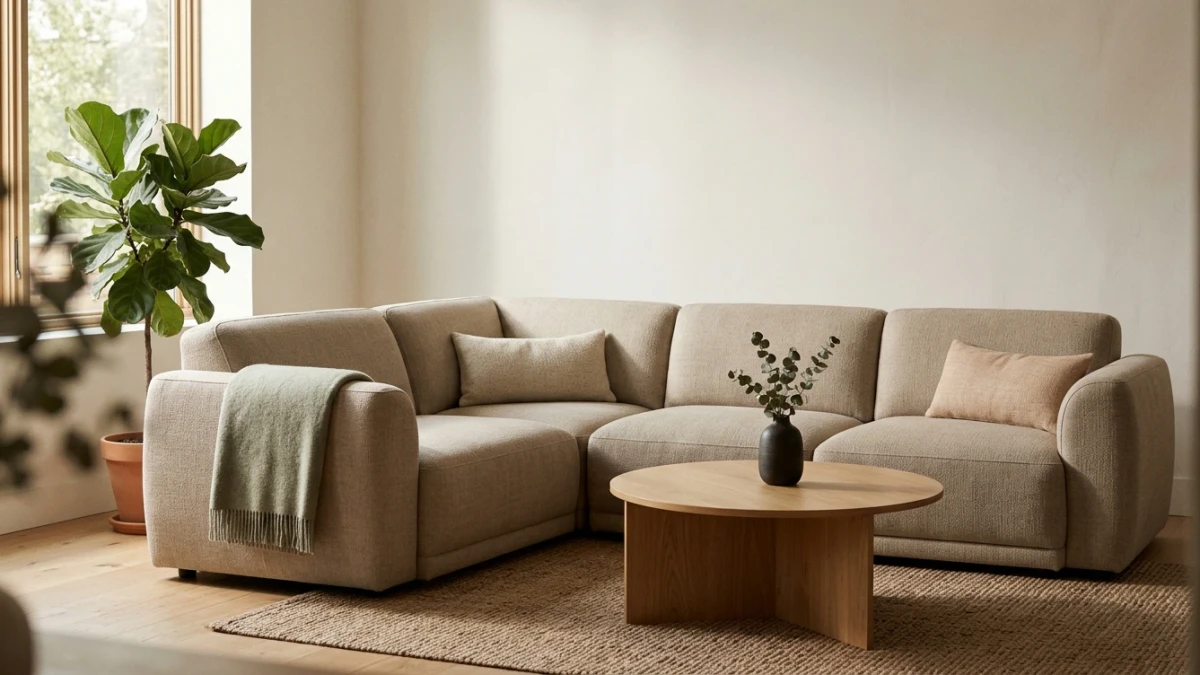
Modern sofa design in 2026 is softer, lower and smarter than it was a few years ago. The sofas getting attention this year combine sculptural curves with modular frames, warm tactile fabrics and comfort that feels considered rather than oversized. If you are planning a new living room or replacing a tired three-seater, these are the shifts worth understanding before you commit.
The sofa also remains the anchor purchase for most living rooms, which is why its design direction matters. The global sofa market was worth USD 104.7 billion in 2025 and is projected to reach USD 144.46 billion by 2031 (Mordor Intelligence, sofa market report, 2026). That steady growth is pushing designers to refine the familiar silhouette rather than reinvent it.
What Silhouettes Define Modern Sofas This Year?
The defining silhouette of 2026 is the soft, organic curve. Sharp right angles are giving way to rounded arms, gently bowed backs and sculptural edges that read as a single flowing form. Designers reporting from recent shows describe curved pieces appearing at nearly every booth, and clients increasingly asking for at least one curvilinear element in a room.
This does not mean every sofa is a dramatic kidney shape. The more common interpretation is subtle: a straight-fronted sofa with softened corners, or a sectional with one rounded chaise. Curves make a large piece feel lighter in a room, which helps in compact homes where a boxy frame can dominate.
Texture plays into the silhouette too. A clean, curved form shows off fabric and stitching, so upholstery detailing is doing more visual work than it used to. The result is furniture that feels calm and tactile rather than sharp and architectural.
Scale is the other consideration with curved forms. A rounded sofa reads as softer, but it can also take up more floor area than a straight-backed equivalent of the same seat count. Measure your room and the doorway before you fall for a sculptural shape, and leave walking space around the curve so it has room to breathe.
Why Are Modular and Low-Profile Designs So Popular?
Modular and low-profile sofas are popular because they solve two real problems: changing spaces and visual heaviness. Sectional sofas held 28.76% of the global sofa market in 2025, the largest single segment (Mordor Intelligence, sofa market report, 2026), and the modular version of the sectional is where much of the design energy sits this year.
A good modular sofa lets you add, remove or rearrange sections as life changes. You can start with a two-seater and a chaise, then add a corner unit when you move to a larger place. The key is choosing sections that share one cover and cushion style, so the finished sofa still reads as one cohesive piece rather than a collection of parts.
Lower profiles, less bulk
Alongside modularity, profiles are dropping. Designers are steering clients away from exaggerated bulk toward sleeker, smartly tailored frames. A lower back and a trimmer arm make a sofa feel contemporary and keep sightlines open across a room.
For small apartments this matters. A lower, longer sofa can seat the same number of people while making the ceiling feel higher and the floor feel larger. If you are furnishing a compact unit, our guide to modern furniture and home decor for KL apartments covers how to scale pieces to tight floor plans.
What Fabrics, Colours and Textures Are Trending in 2026?
The biggest upholstery story in 2026 is warmth. Cold grey neutrals are fading, replaced by nature-inspired shades: warm taupes, clay, soft terracotta, muted olive and honeyed browns. These tones make a room feel grounded and work well with the wood and rattan common in Malaysian interiors.
On texture, tactile woven fabrics are leading. Heavy statement boucle has softened into subtler, more textural weaves that invite touch without shouting. Chenille, linen-like blends and performance velvets are all in demand.
Performance fabrics deserve special mention. Families and pet owners are driving demand for upholstery that resists stains, spills and daily wear, and the quality of these fabrics has improved enough that you rarely sacrifice feel for durability. In a humid climate, breathable and wipeable fabrics also age better over time.
If you are still weighing material types, the broader trade-offs between upholstery and hide are covered in our leather vs fabric sofa comparison.
How Does Comfort-First Engineering Shape Modern Sofas?
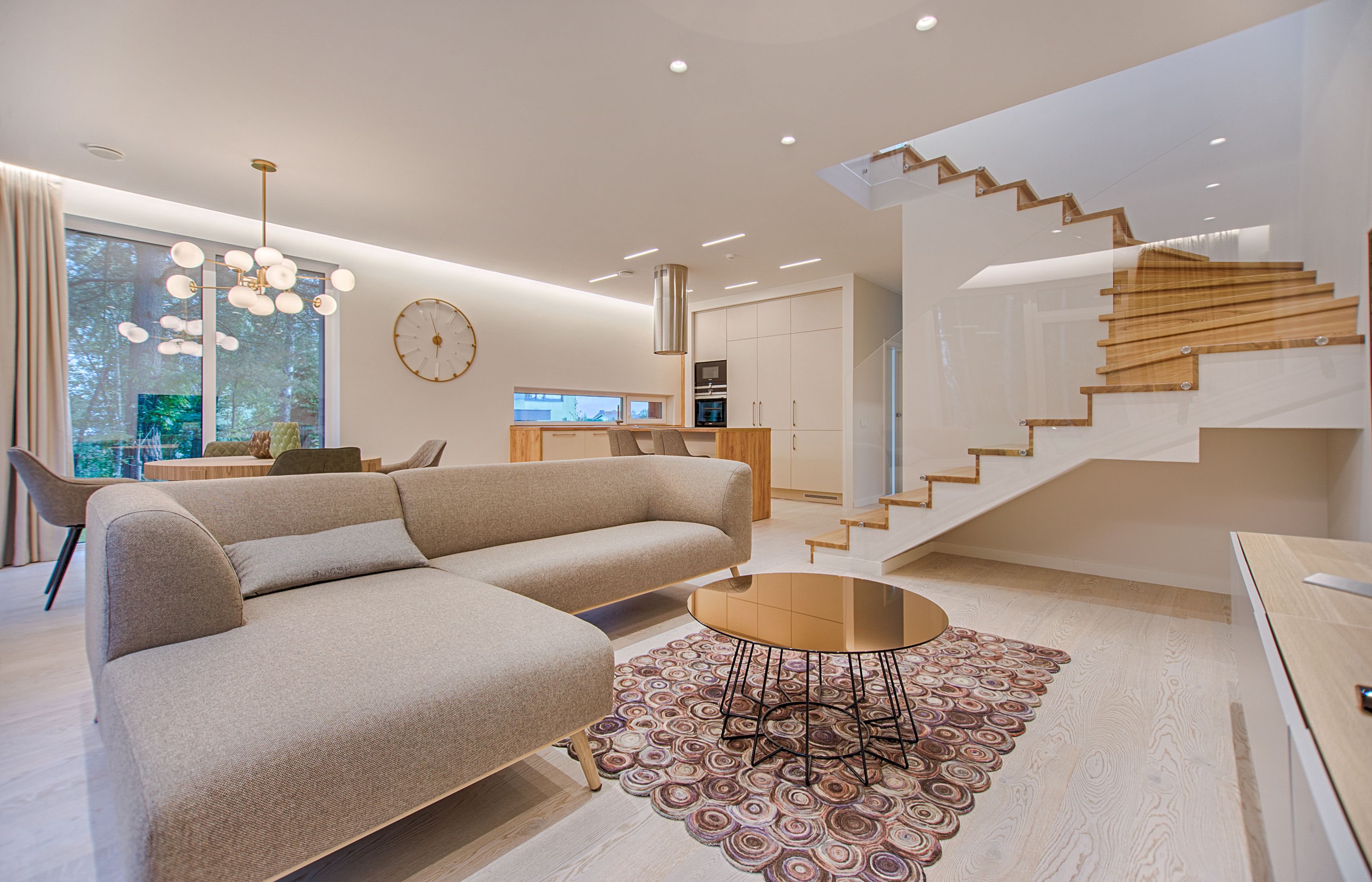
Comfort-first engineering in 2026 means refined support rather than sheer size. The oversized, deep-as-a-bed sofa has cooled off, and designers now talk about seating that feels intentional and grounded. The craft has moved inside the frame, where seat depth, cushion fill and structure decide how a sofa actually feels to sit on.
Seat depth is the detail most buyers overlook. Too shallow and taller people perch on the edge; too deep and shorter people lose back support. A balanced depth, often with a feather-and-foam cushion mix, gives a sofa that is soft to sink into but easy to rise from.
Frame quality is the other half. A kiln-dried hardwood frame and properly tensioned suspension keep a sofa comfortable for years, long after a cheap frame would start to sag. This is why the engineering, not just the look, separates a sofa that lasts from one that disappoints.
Back support deserves the same attention as the seat. A fixed back with layered fill holds its shape better than loose scatter cushions, which flatten and need constant plumping. If you like to lounge, look for a design that supports your shoulders without forcing you to sit bolt upright, and test it in the position you actually use at home.
What to check before you buy
- Sit for a few minutes, not seconds, to judge seat depth and back angle.
- Press the seat edge to feel whether the frame is solid or hollow.
- Ask what the frame is made of and how the cushions are filled.
- Check that any modular sections connect firmly and align cleanly.
How Does Nicchris Interpret Modern Sofa Design?
Nicchris reads these trends through a Malaysian lens, which means designing sofas that look current and hold up in local homes. Asia-Pacific was the largest sofa region in 2025 at 34.48% of the global market and is growing faster than any other (Mordor Intelligence, sofa market report, 2026), so the trends arriving here are a priority rather than an afterthought.
In practice that shows up as softened silhouettes, modular options that suit apartment living, and fabric choices picked for a warm, humid climate rather than a European winter. The aim is a sofa that feels modern now and still feels right in five years.
Comfort engineering sits at the centre of the approach: sensible seat depth, quality fill and solid frames that earn their place in daily use. Style gets you to the showroom, but the way a sofa feels after a long week is what keeps you happy with it.
Before you commit to a new sofa, visit a showroom and sit on the shortlist for a few minutes each. Testing seat depth, cushion fill and fabric in person tells you far more than any trend list, and it is the surest way to pick a modern sofa you will still enjoy years from now.